Flexamyl_Extrusion
TPS compound tuned for extrusion processes such as films, profiles, and semi-finished goods.
Thermoplastic starch compound for industrial processing with a defined product lifetime. A thermoplastic starch-based compound made from renewable raw materials. Designed for industrial processing, stable material properties, and applications with a defined product lifetime.
Material
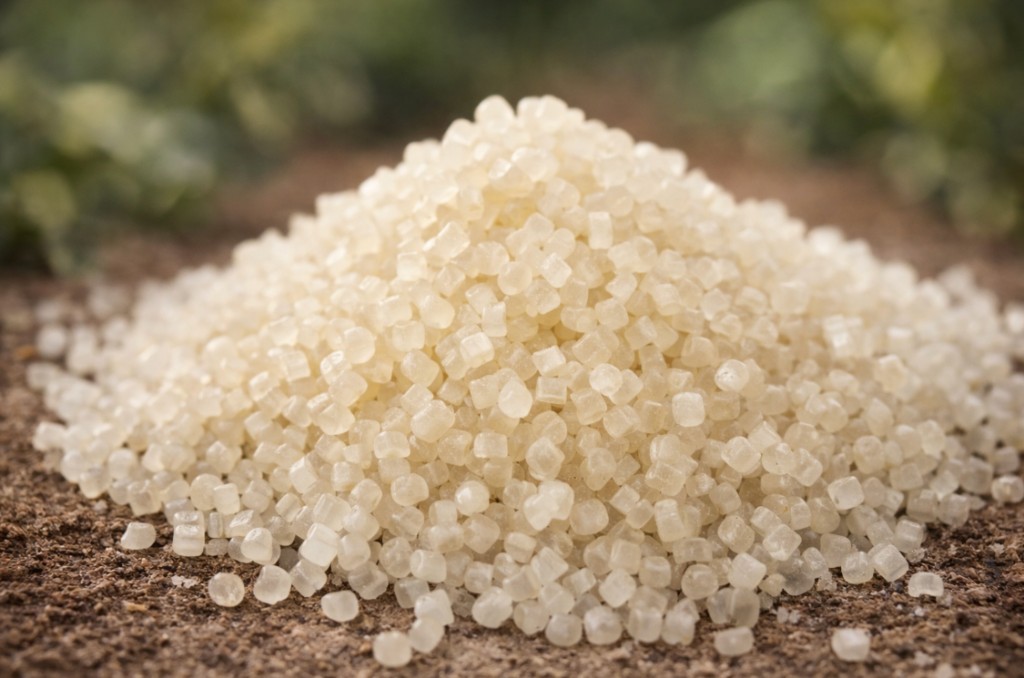
Flexamyl® is a thermoplastic starch compound (TPS) focused on industrial processability and stable handling.
The formulation is specifically designed to reduce typical weaknesses of conventional TPS materials, especially migration, loss of flexibility, and handling challenges.
Flexamyl® is based on renewable raw materials.
Why Flexamyl?
The additive system is designed to maintain flexibility over longer periods.
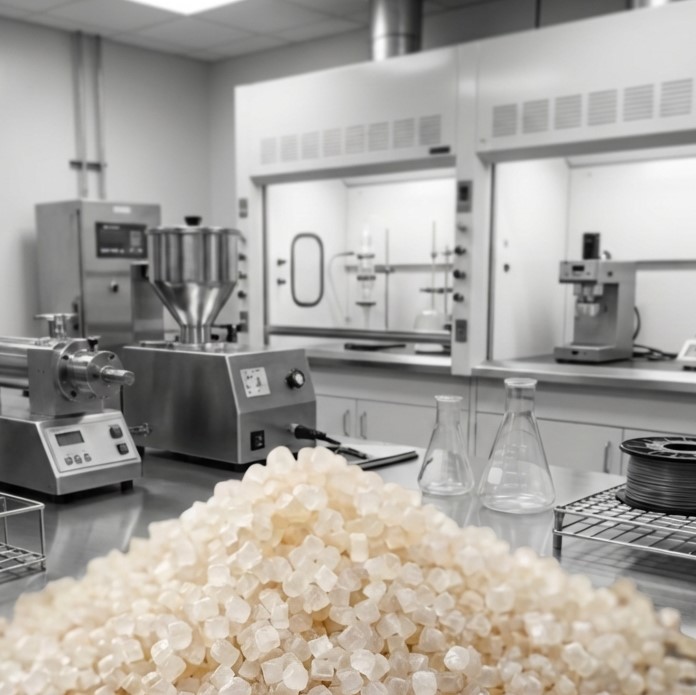
Free-flowing granules support reliable dosing and industrial processing.
Depending on the grade, parts can be produced in clear, translucent, or natural colors.
No red or yellow tint.
Certified home-compostable for applications with a meaningful end-of-life option. REACH-compliant.
Processing
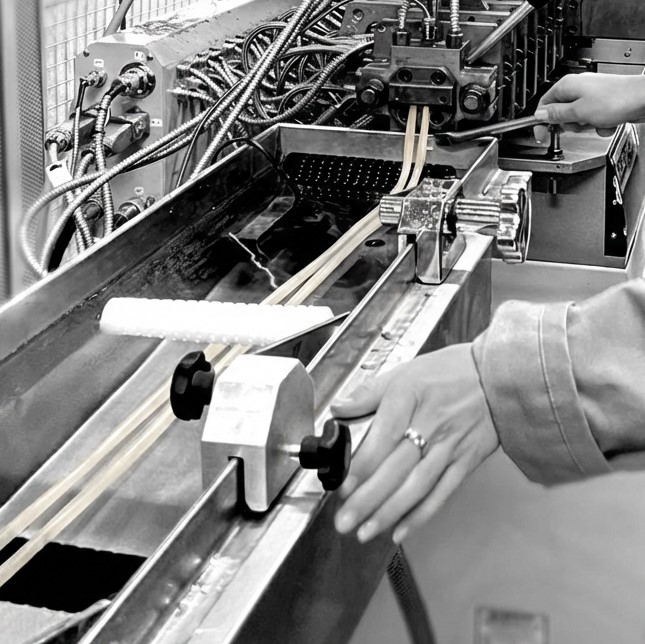
Flexamyl® can be integrated into existing production environments.
Products & Downloads
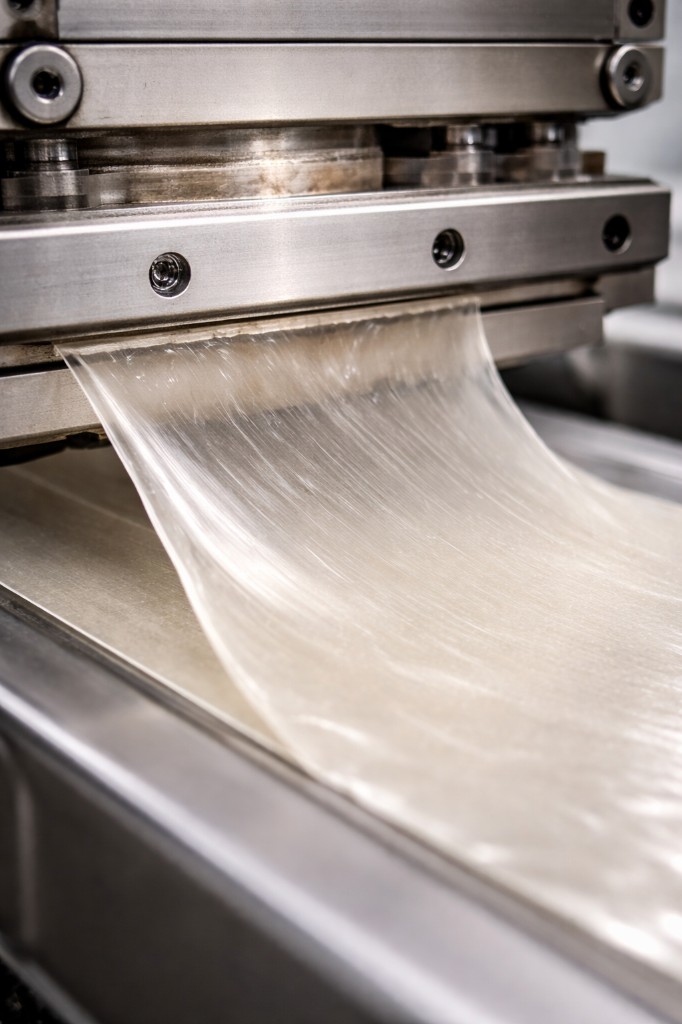
TPS compound tuned for extrusion processes such as films, profiles, and semi-finished goods.
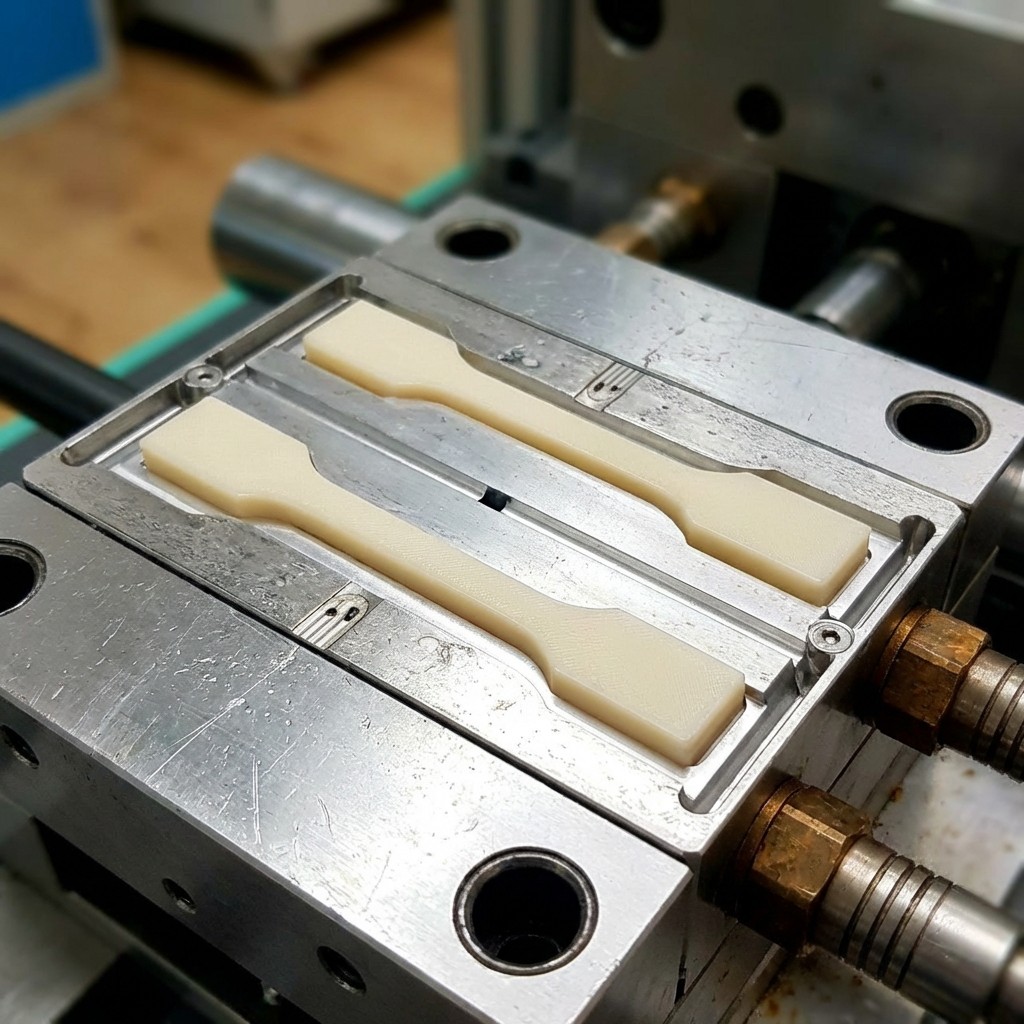
For injection molding applications with a short- to medium-term product lifetime.
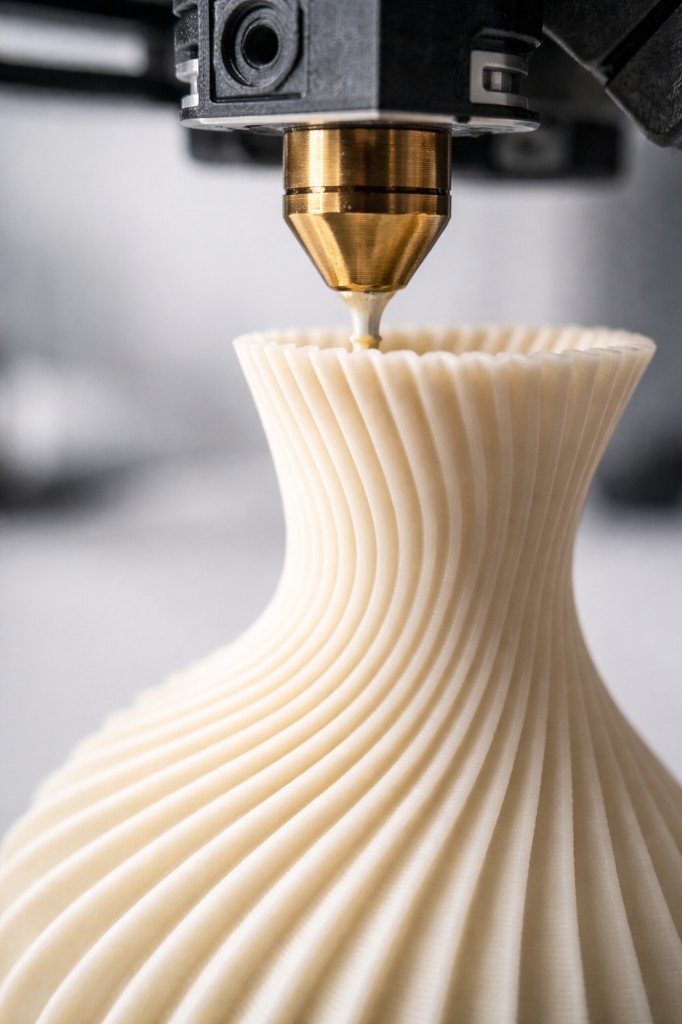
For additive manufacturing and functional samples, ideal for testing under real conditions.
Applications
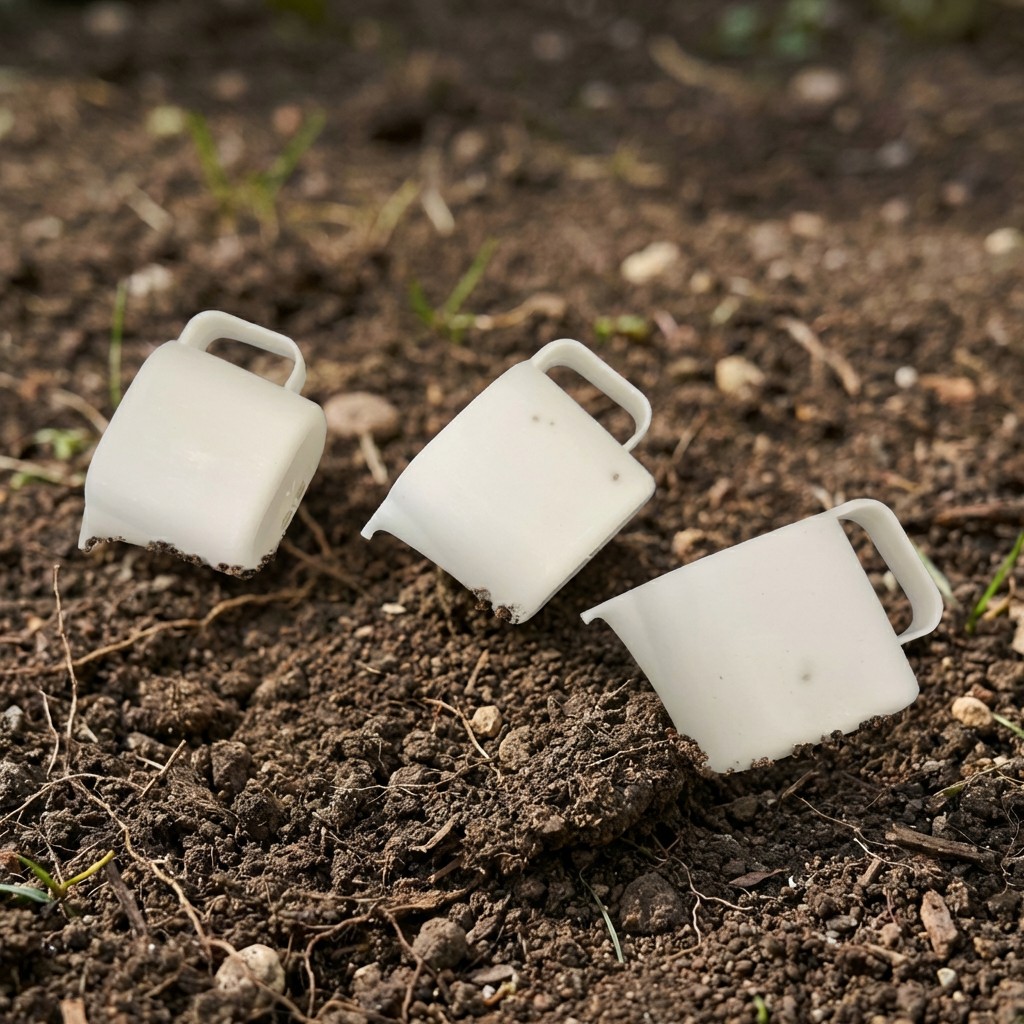
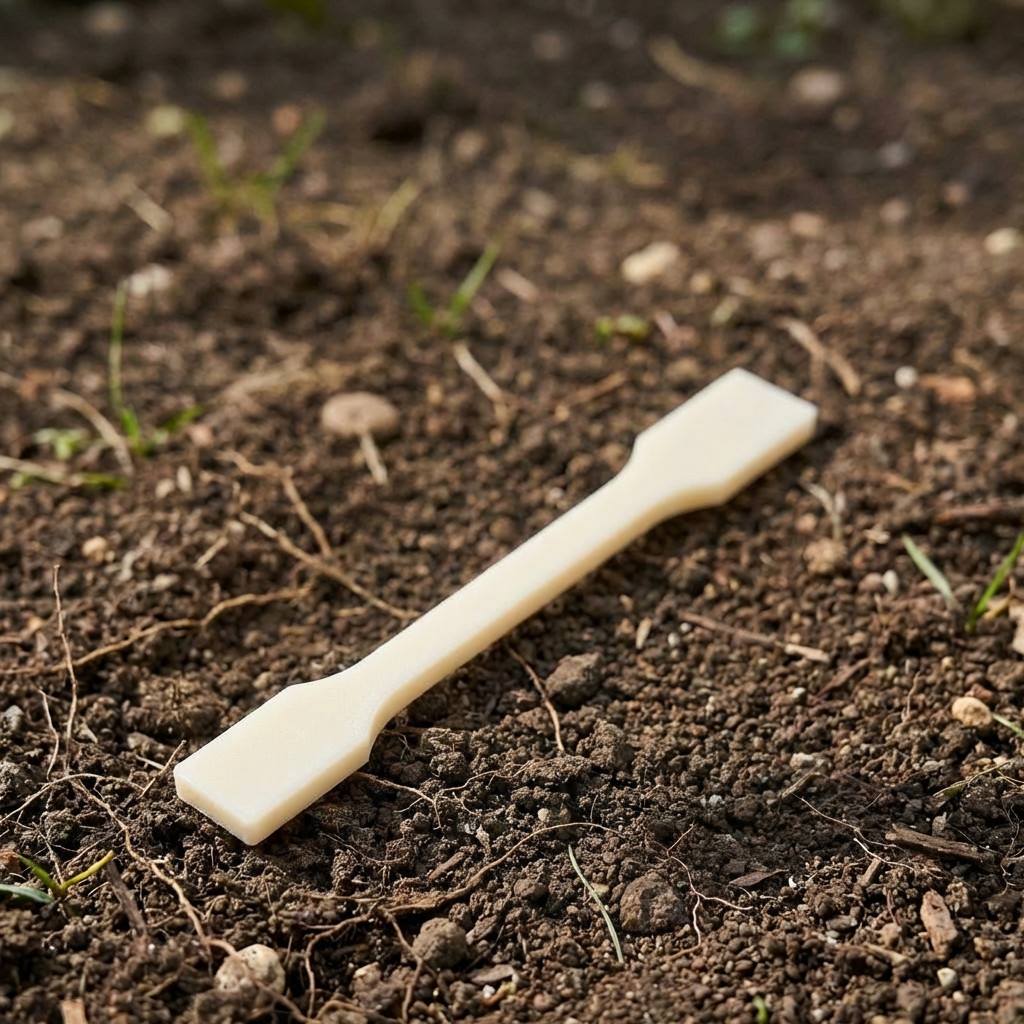
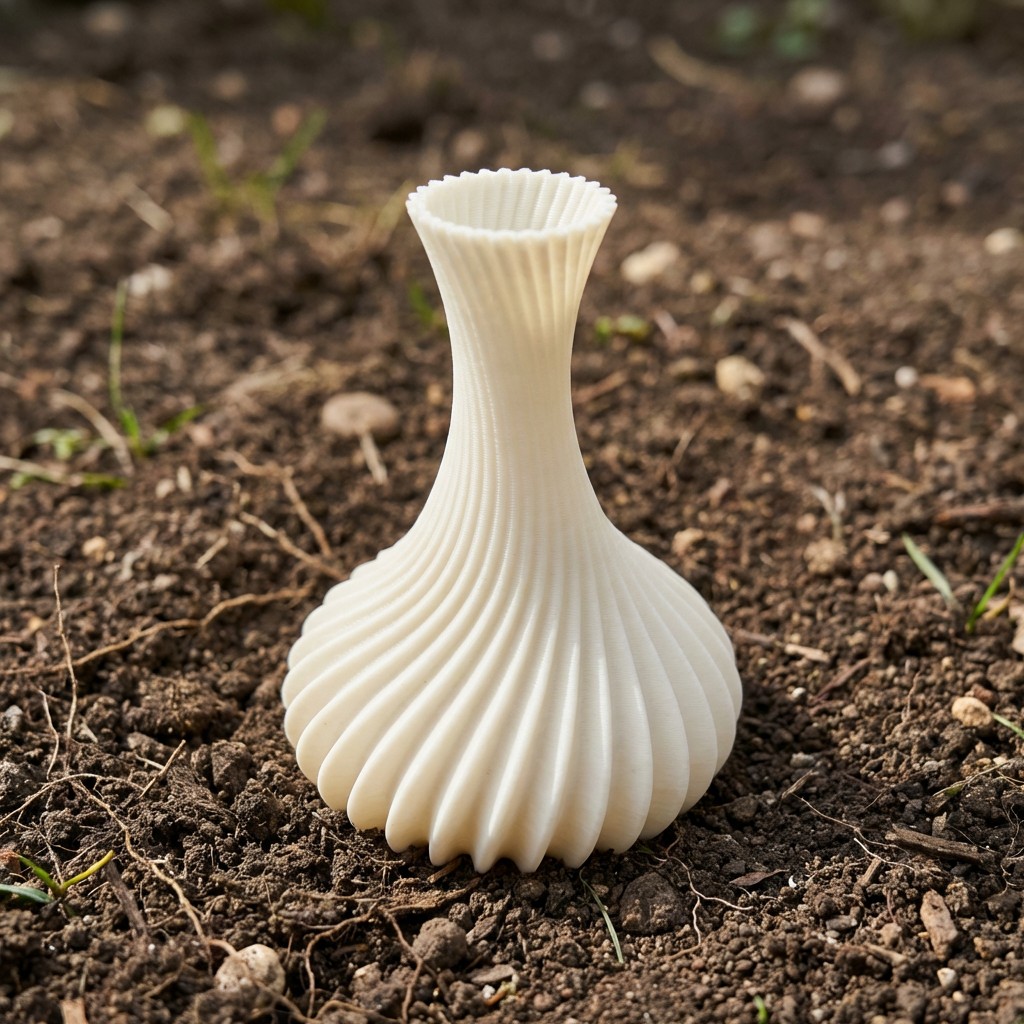
Flexamyl® is intentionally not designed for products meant to last for decades. The focus is on applications with a defined product lifetime.
Collaboration
We do not view Flexamyl® as a standard product, but as a development platform. Alongside a base formulation, we offer adaptation to mechanical requirements, processing routes, target product lifetime, and optical properties.
Collaboration models
We produce for you and adapt the material to your requirements - from first samples to full-scale production.
Companies can produce Flexamyl® independently under our patent-pending technology framework. Ideal for partners who want to run the material in their own production environment.
Our approach
Part, process, environment.
Select a standard grade or tailor the formulation to your application.
Sampling -> process validation -> production readiness.
About us
Flexamyl® is a brand of MEDIAN Kunststoff Service GmbH. The material is backed by many years of experience in developing and processing biobased plastics, as well as in industrial application engineering.
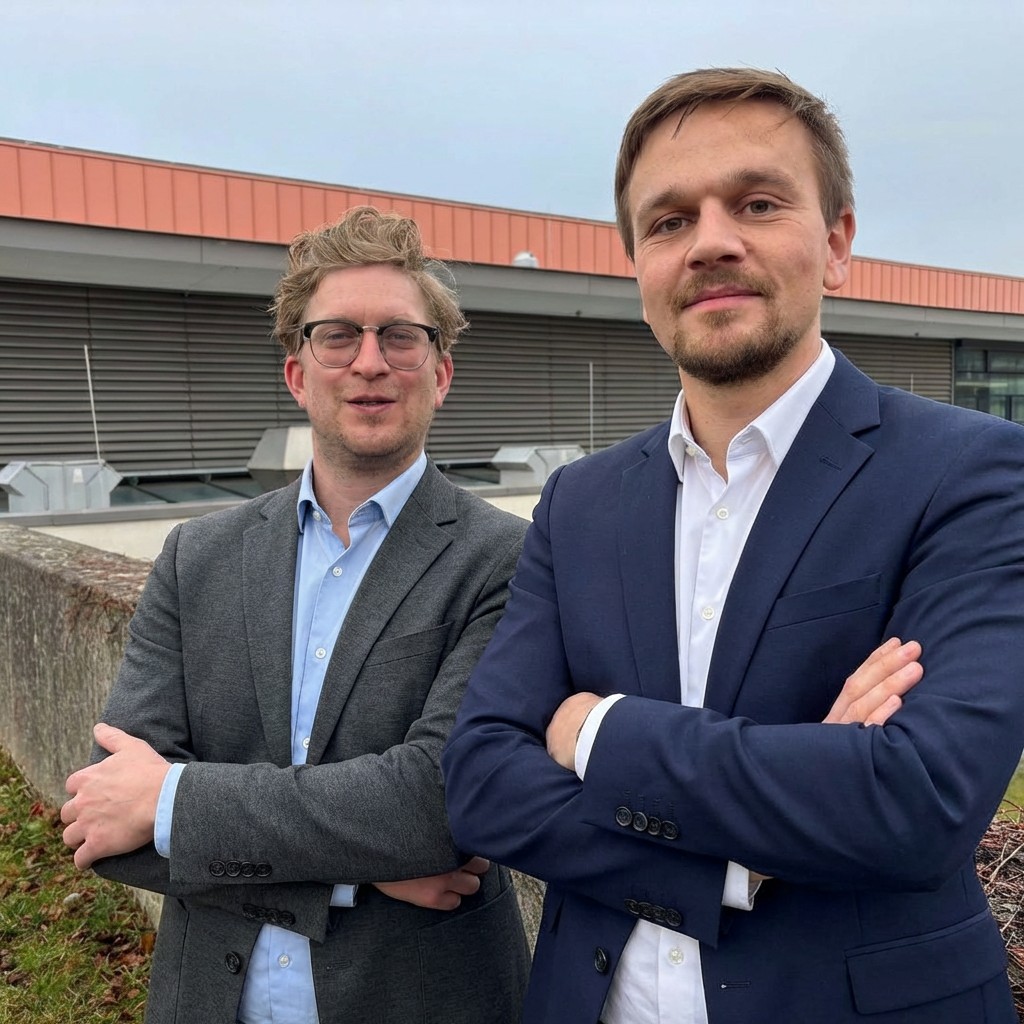
Our Flexamyl® experts for your application
M.Sc. Christof Maier M.Sc. Lucas Großmann
FAQ
Our material is certified as "home-compostable" and meets relevant requirements regarding chemical composition, biodegradability, disintegration, and ecotoxicity.
Full aerobic biodegradation is demonstrated within a maximum of 180 days at temperatures below 30 °C according to ISO 14855-1 (>= 90% degradation, absolute or relative to a reference substrate). Disintegration is assessed at 25 +/- 5 °C according to ISO 16929 with a requirement of no more than 10% residual particles > 2 mm after a maximum of three months.
In addition, pollutant contents (e.g., Zn, Cu, Ni, Cd, Pb, Hg, Cr, Mo, Se, As, F) are tested and ecotoxicity tests according to OECD 208 and ASTM E 1676 are performed.
The material complies with the requirements of the REACH regulation (EC) No. 1907/2006 and contains no declarable SVHC substances above applicable threshold values.
Extrusion, injection molding, and additive manufacturing are all possible, depending on the selected grade.
Flexamyl® is designed for good free-flow behavior and stable handling properties.
The material is intentionally focused on short- to medium-term applications with a defined product lifetime. It is not intended for long-life, multi-year products.
Yes - this is a core part of our approach. Mechanical properties, optical appearance, processing window, and product lifetime can all be tailored to your project.
Flexamyl® is a thermoplastic starch (TPS) compound based on renewable raw materials, focused on defined product lifetime and industrial processability. PLA is a polyester from fermented sugars with a different property profile, often higher stiffness. Flexamyl® addresses typical TPS challenges such as handling, long-term flexibility, and process-stable formulation — for applications where a deliberately limited service life makes sense.
Flexamyl® is not designed for long-life multi-year products, permanently weather-exposed outdoor parts with decades of service life, or applications requiring maximum chemical resistance over many years. The focus is on short- to medium-term industrial applications with a defined end-of-life option.
Contact